Pasagüero: El Último Baile Community, music, and the closing of a cycle in Mexico City’s historic center

Agrupación Cariño
El Pasagüero never really announced its farewell. There was no big campaign, no historic final
night, no long speeches. If you weren’t paying attention, it almost felt like any other show. And
maybe that’s exactly how a place like Pasagüero was supposed to end: with music, people
dancing, and the feeling that everything would continue as it always had.
Rob Zamarrón
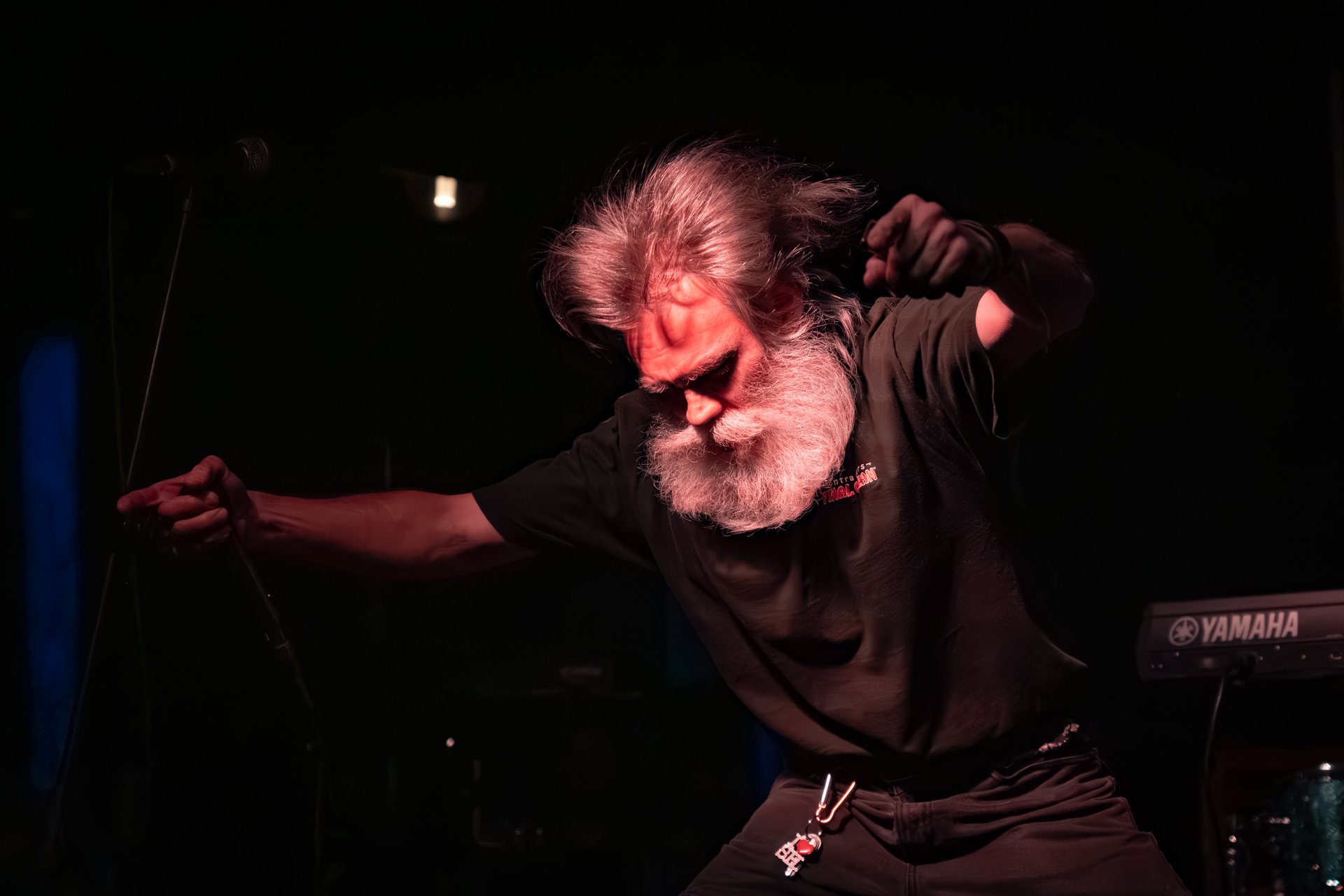
The night began with Rob Zamarrón and a harmonica. A small drum machine played a simple beat while he sang and played, slowly warming up the room. Rob is part of that extended community that exists around bands rather than inside the formal structure of the music industry.
Marc “Monster,” singer of Agrupación Cariño, later told me he met Rob through another project he has, a blues band called Marc Monster and the Olives, where he invited Rob to play and even record. Outside of that world, Rob spends most of his time playing harmonica around Condesa, often outside a 7-Eleven where he also sells small pipes. Seeing him open the night said a lot about the spirit surrounding Agrupación Cariño and the kind of community that formed around places like Pasagüero over the years. There was no real separation between stage and street, between musician and audience. It all felt like part of the same ecosystem. Nights like this remind you that a music scene is not built only by the people on stage, but also by the people who orbit around it, the places that give it space, and the years it takes for all of that to become something meaningful.
Agrupación Cariño
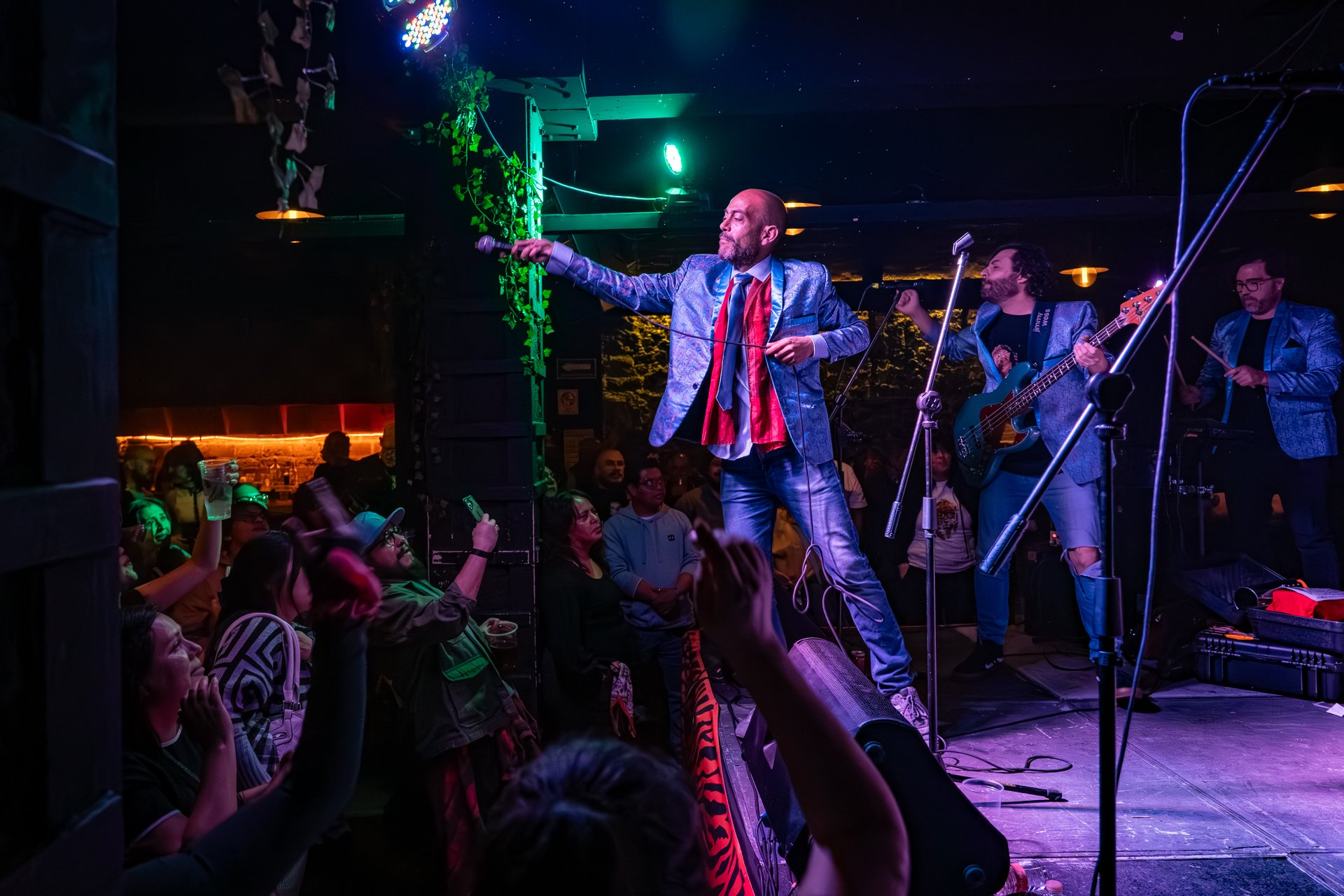
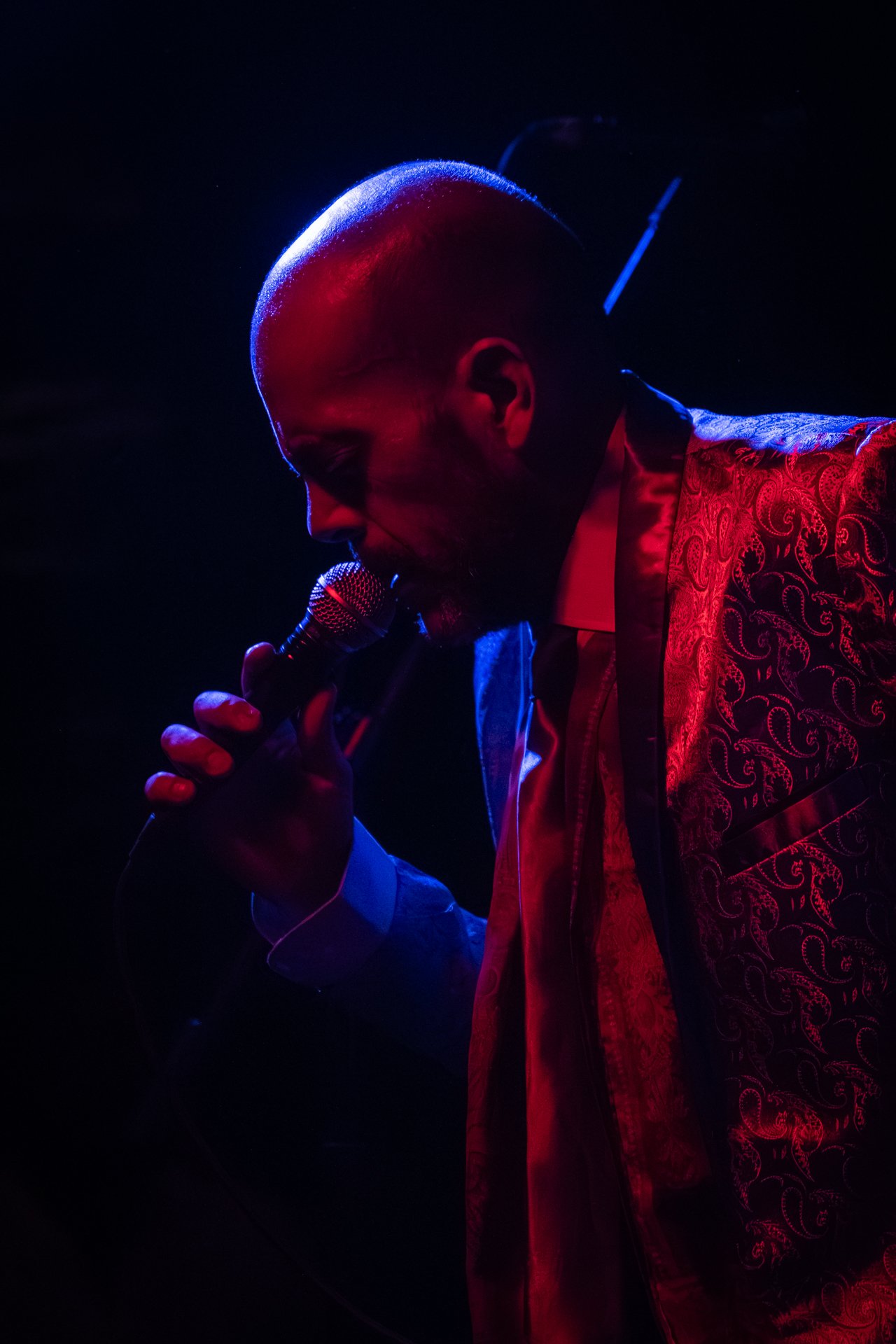
Toward the end of the set, right before starting another song, Monster grabbed the mic and in a deep voice delivered a quote from the Thundercats that sounded like an invocation: “Antiguos espíritus del mal, transformen este cuerpo decadente en música tropical.” And the band launched into Te Quiero. At the time it sounded like a joke, just another one of Monster’s lines between songs. But looking back, it’s hard not to think about Pasagüero itself in that sentence. The physical place may be gone, but the music, the nights, and everything that grew inside those walls doesn’t disappear. It just transforms into something else and keeps moving.
Marc Monster
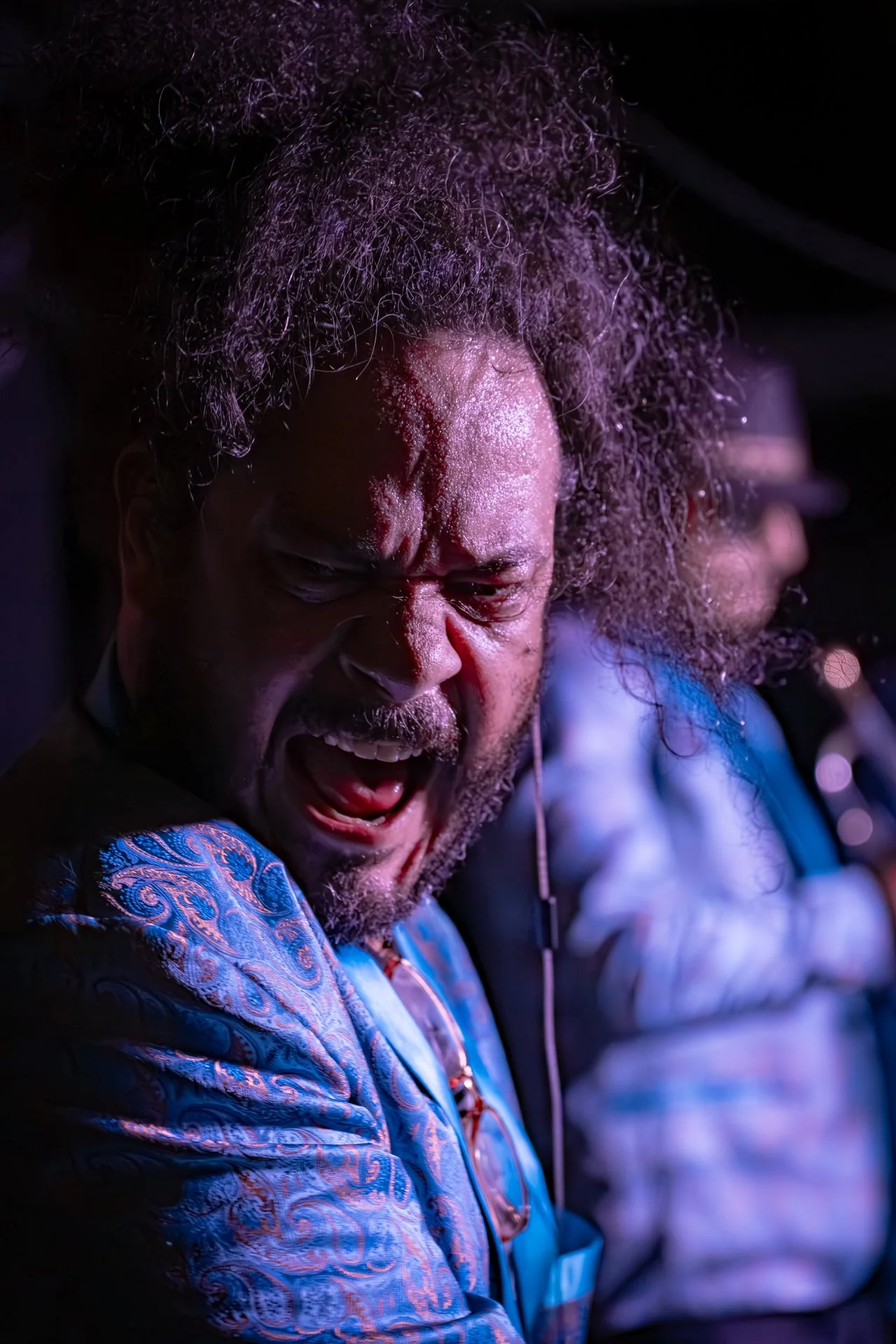
Agrupación Cariño has always existed in that space where irony, affection, and tropical rhythm coexist. Their slogan has always been “Cumbia, Cariño y Amor,” and that was exactly what the room felt like that night.
I’ve known Monster for more than twenty years. We met as teenagers playing Battle of the Bands in different high schools, and later we both ended up studying at Berklee College of Music. Over the years we kept in touch, always talking about collaborating, but somehow wenever actually worked together. So while I was documenting the band, I was also aware, in a quiet way, that this was the first time our paths had properly crossed in a professional way.
Edy Vega
What I didn’t know was that I was documenting what would be the last night El Pasagüero would ever open.
I found out after the show, when most people had already left and the lights were on. I was talking with Ricardo Pandal, founding partner of Pasagüero. He had started the venue with his brother Rodrigo, who passed away last year. Rodrigo had been a driving force behind the place for years, and in a quiet way, the night felt like an homage to him. Ricardo told me they had decided not to make a big announcement about the closing, not to turn it into a spectacle. The only hint had been the name printed on the poster: El Último Baile.
That decision felt very much in character with what El Pasagüero always was. It was never a place about big statements. It was more like a constant. For years, it was simply there, and because it was there, things happened.

Marc Monster
Over the years, bands like Silverio, Nortec Collective, Los Ángeles Azules, María Daniela y su Sonido Lasser, Rebel Cats, and Agrupación Cariño all passed through that stage, each one representing different moments in the city’s music and cultural life. El Pasagüero was never about one single scene. It was about scenes crossing paths. Electronic music, rock, cumbia, DJs, performances, film people, photographers, artists. Different worlds sharing the same space at different times, slowly building a community without ever formally calling it that.
Every big city has places like this. New York had CBGB, where bands that later defined an era played before anyone knew what they were starting. Andy Warhol’s Factory wasn’t just a studio, it was a meeting point where music, film, art, and nightlife all mixed into the same room. Places like that are not important because of one band or one night, but because of the constant collision of people and ideas over time. When they close, culture doesn’t disappear with them. What disappears is the physical space, the geography of coincidence. But the work that was seeded in those places continues, grows, and spreads somewhere else. In that way, places like Pasagüero don’t really end. They disperse.
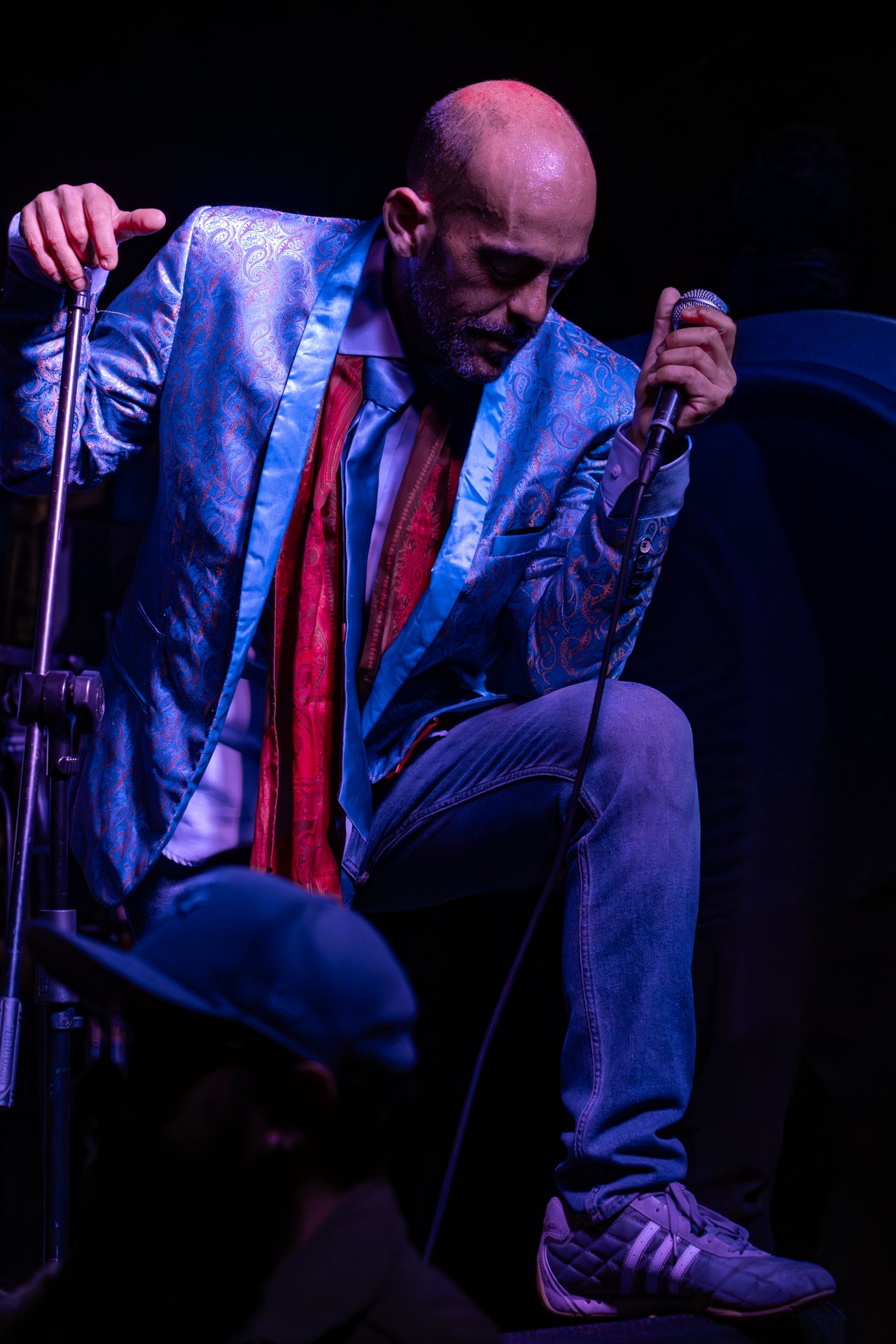
Marc Monster
Some places give you nights to remember. Others give you a place to become who you are. Pasagüero was that kind of place for a lot of people.
Looking back, it makes sense that the last show was Agrupación Cariño. Their whole identity has always been about community, about mixing people, about not taking things too seriously while still taking the music seriously. And without knowing it, that night ended up feeling like a goodbye not just to a venue, but to a cycle that defined a part of the city for many of us.
Not a dramatic ending. Not a big announcement. Just a last dance.